
Medical Needles Market Overview
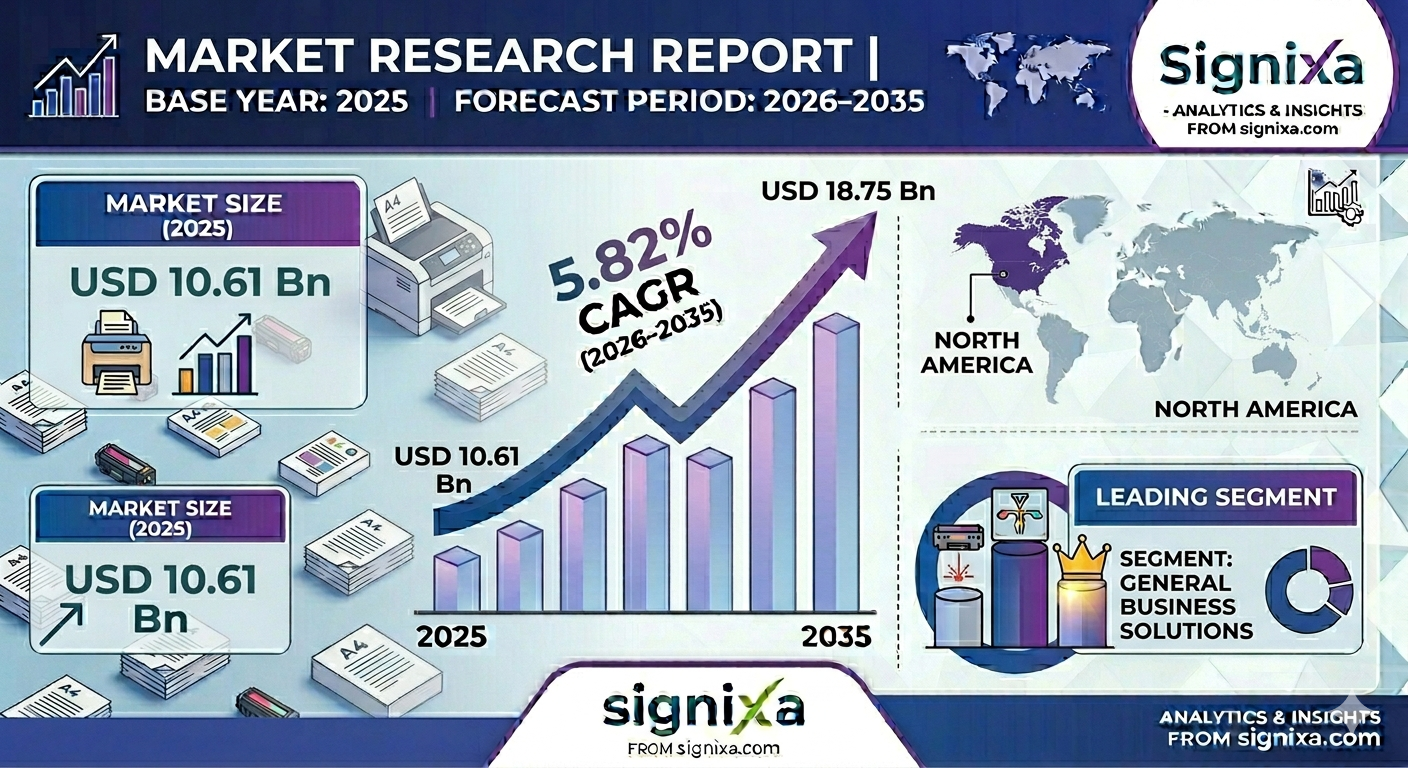
The size of the global medical needles market was valued at around USD 10.61 Billion in 2025 and is projected to reach approximately USD 18.75 Billion by 2035, reflecting a CAGR of 5.82 % during the forecast period from 2025 to 2032. The market analysis highlights major drivers, restraints, and growth opportunities shaping global demand. A detailed segmentation analysis and regional breakdown offer valuable insights into the evolving landscape of the medical needles industry.
The medical needles market includes a broad spectrum of needle types used in drug delivery, blood collection, dental procedures, surgeries, and diagnostic applications. Growing demand for advanced safety needles to reduce needlestick injuries, the rise in chronic disease prevalence requiring frequent injections, and advancements in needle design and materials are contributing to market expansion. Additionally, increased healthcare expenditure and expanding access to medical facilities in emerging regions further boost market growth.
The global medical needle market is experiencing robust growth, driven by a confluence of factors including the rising prevalence of chronic diseases, increasing demand for injectable therapies and vaccines, and a growing emphasis on patient safety and comfort. The increasing incidence of conditions such as diabetes, cancer, and autoimmune disorders necessitates frequent injections for diagnosis, treatment, and ongoing management, thereby fuelling the demand for a wide array of medical needles. Furthermore, the expansion of vaccination programs globally, particularly in developing nations, contributes significantly to market expansion. Hospitals and clinics currently hold the largest share of the market due to the high volume of surgical procedures, emergency care, and routine medical interventions, while the home healthcare segment is anticipated to witness the highest growth, driven by the increasing adoption of self-administered medications and the desire for cost-efficient and accessible treatment options.
Technological advancements are revolutionizing the medical needle market, with a strong focus on enhancing patient comfort, safety, and drug delivery efficiency. Innovations such as safety needles, designed to prevent needlestick injuries and reduce the risk of blood-borne infections, are gaining significant traction and are expected to grow at a higher CAGR than conventional needles. Beyond safety features, the market is witnessing the emergence of advanced needle designs, including ultra-fine pen needles for less painful insulin delivery, and even needle-free injection systems that utilize high-pressure jets to administer medication without a traditional needle. Microneedle technology, which involves tiny needles that penetrate only the outermost layer of the skin, is also gaining prominence for its potential in targeted drug delivery and reduced invasiveness. These advancements are not only improving therapeutic outcomes but also transforming the patient experience, addressing needle phobia, and streamlining medication administration, particularly for mass vaccination programs and chronic disease management. Key players in this dynamic market, including BD, Medtronic, and Novo Nordisk, are continuously investing in research and development to introduce novel solutions that cater to evolving healthcare needs and regulatory demands.
Key Findings
- The global medical needles market is forecasted to grow at a CAGR of 5.82 % between 2026 and 2035.
- In revenue terms, the market will rise from USD 10.61 Billion in 2025 to USD 18.75 Billion by 2035.
- Conventional needles dominate in volume, while safety needles are witnessing stronger growth due to regulatory support.
- Among products, pen needles and blood collection needles represent the largest share.
- Stainless steel remains the preferred raw material owing to strength and biocompatibility.
- North America and Asia-Pacific are the most lucrative markets, with the latter growing rapidly due to rising healthcare infrastructure.
Medical Needles Market Dynamics
Rising Prevalence of Chronic Diseases & Growing Demand for Injectable Therapies
The rising prevalence of chronic conditions such as diabetes and cardiovascular diseases is fueling the demand for medical needles, especially for self-injection and routine therapeutic procedures. An increase in global immunization efforts and expanding hospital infrastructure are further supporting needle consumption in both developed and emerging regions. Additionally, the increased focus on preventive care, especially in the wake of recent health crises, is accelerating demand for hypodermic and intravenous needles.
The market dynamics of medical needles are intricately shaped by a convergence of demand-side drivers, supply-side advancements, and evolving healthcare landscapes. A primary driver is the escalating global burden of chronic diseases such as diabetes, cancer, and autoimmune disorders. These conditions often necessitate frequent injections for diagnosis, treatment, and ongoing management, leading to a sustained and growing demand for various types of needles, including conventional, pen, and safety needles. The rising geriatric population, more susceptible to multiple health conditions requiring injectable therapies, further amplifies this demand. Additionally, the continuous expansion of vaccination programs worldwide, particularly in developing nations, significantly boosts the consumption of medical needles. Governments and international organizations are actively promoting immunization to combat infectious diseases, contributing to a massive uptake of injection devices. The increasing adoption of self-administration of drugs, driven by patient convenience and the desire for cost-effective home healthcare, also fuels the demand for user-friendly needles, especially pen needles for conditions like diabetes. The inherent necessity of needles in nearly all medical procedures, from routine blood collection to complex surgeries, ensures their foundational role in healthcare infrastructure.
Technological Innovation - Ultra-Fine Needles, Safety Mechanisms & Microneedle Technology
Technological innovation is another key growth driver in the medical needles market. Advances in needle design, such as ultra-fine and silicone-coated variants, have improved patient comfort and reduced pain during insertion. Moreover, the integration of safety features like retractable mechanisms is being encouraged by global health agencies to prevent accidental needlestick injuries. These innovations are prompting both hospitals and home users to shift toward safer and more ergonomic needle solutions.
Market Restraints: Needlestick Injuries, Alternative Delivery Methods & Regulatory Hurdles
Despite the robust growth drivers, the medical needle market faces several significant restraints. A major concern is the persistent risk of needlestick injuries (NSIs) among healthcare professionals, which can lead to the transmission of blood-borne pathogens like HIV, Hepatitis B, and Hepatitis C. While safety-engineered needles are designed to mitigate this risk, their higher cost compared to conventional needles can deter adoption, particularly in resource-constrained settings. The availability and increasing popularity of alternative drug delivery methods, such as oral medications, transdermal patches, and needle-free injection systems, pose a competitive threat to traditional needle usage. Regulatory hurdles and stringent approval processes for new medical devices can also slow down market growth, as manufacturers must navigate complex and time-consuming pathways to bring innovative needle technologies to market. Furthermore, issues like needle phobia among patients, particularly children, can lead to reluctance in seeking necessary injections, indirectly impacting demand in certain segments. The reuse of needles, though actively discouraged and often illegal, remains a challenge in some regions, contributing to health risks and potentially depressing market volumes for new products.
Market Opportunities: Safety-Engineered Needles, Biosimilars & Emerging Economies
Nevertheless, the medical needle market is replete with opportunities for innovation and expansion. The growing preference for safety-engineered needles, driven by regulatory mandates and increasing awareness of occupational hazards, presents a substantial growth avenue for manufacturers. Continued advancements in needle technology, focusing on features like ultra-fine gauges for reduced pain, improved coating materials for smoother insertion, and integrated safety mechanisms, are crucial for capturing market share. The burgeoning demand for biosimilar drugs, many of which require subcutaneous injection, offers a significant opportunity for pen needle manufacturers. Emerging economies, with their rapidly expanding healthcare infrastructure, rising disposable incomes, and increasing health awareness, represent high-growth potential. These regions are witnessing a surge in hospital construction and healthcare expenditure, creating fertile ground for market penetration. Furthermore, the increasing adoption of minimally invasive procedures, which often rely on specialized needles for targeted interventions, opens new application areas. Strategic partnerships, mergers, and acquisitions among market players, coupled with investments in research and development, are key strategies to capitalize on these opportunities and maintain a competitive edge in this evolving market.
Medical Needles Market Segmentation Analysis
By Type Segment Analysis: Conventional Needles vs. Safety Needles
Conventional Needles
Conventional needles held the largest share of over 60% in 2025, primarily due to their low cost and widespread usage across hospitals, clinics, and diagnostic centres. Their broad adoption across all healthcare settings, from primary care to specialized institutions, continues to support their volume dominance in the global market.
Safety Needles
Safety needles are expected to grow at a CAGR above 6.5% through 2035, driven by increased awareness and regulatory mandates for safer injection practices. Safety needles significantly reduce the risk of needlestick injuries, which impact over 2 million healthcare professionals annually, thereby gaining favour in public and private healthcare institutions.
By Product Segment Analysis
Pen Needles
Pen needles accounted for the largest market share in 2025, supported by the growing number of diabetic patients requiring daily insulin administration. Their market dominance is reinforced by features such as ease of use, minimal pain, and compatibility with multiple injection pens.
Blood Collection Needles
Blood collection needles ranked second due to rising diagnostic testing volumes across clinical labs, contributing over 22% to the overall revenue. The growth of laboratory diagnostics and point-of-care testing is further expanding demand for blood collection needle systems.
Suture Needles
Suture needles show promising growth owing to advancements in surgical procedures, minimally invasive surgeries, and the increasing volume of elective and emergency surgical interventions globally. Innovations in needle geometry and suture material compatibility are further driving adoption.
Dental Needles
Dental needles are showing promising growth owing to advancements in oral care procedures. The increasing prevalence of dental disorders, growing dental tourism, and rising awareness of oral hygiene are all contributing to expanded use of dental needles across clinics and hospitals.
Ophthalmic Needles
Ophthalmic needles serve specialized applications in fine-needle aspirations and eye-related procedures. Advances in retinal surgery and intravitreal injections for age-related macular degeneration and diabetic retinopathy are creating sustained demand for ophthalmic needle products.
Others
Other needle types including biopsy needles, spinal needles, epidural needles, and specialty procedure needles contribute to the diversified product portfolio of the medical needles market, serving a wide range of diagnostic and interventional applications.
By Delivery Mode Segment Analysis
Hypodermic Delivery
Hypodermic needles dominated with a revenue contribution exceeding 45% in 2025, due to their routine use in vaccine delivery, drug administration, and sample collection. Their universal applicability across clinical and non-clinical settings ensures continued market leadership.
Intravenous Delivery
Intravenous delivery mode follows closely, especially in inpatient care and emergency settings, where rapid drug action is essential. The growing volume of ICU admissions, chemotherapy infusions, and parenteral nutrition is supporting sustained demand for intravenous needle systems.
Intramuscular Delivery
Intramuscular delivery is gaining momentum, particularly in vaccines and long-acting therapies. The increasing use of intramuscular depot injections for antipsychotics, contraceptives, and long-acting biologics is expanding this delivery segment.
Others (Intradermal & Subcutaneous)
Emerging delivery modes include intradermal and subcutaneous methods for targeted drug delivery in dermatology and autoimmune diseases. The growing biologic drug pipeline, many of which require subcutaneous delivery, is expected to propel these methods significantly.
By Raw Material Segment Analysis
Stainless Steel
Stainless steel dominated the raw material segment in 2024, contributing more than 70% of total revenue, thanks to its durability, strength, and resistance to corrosion. Its biocompatibility and cost-effectiveness make it the go-to material for most reusable and disposable needles.
Glass
Glass, although used less frequently, is employed in specialized applications, particularly ophthalmic procedures and fine-needle aspirations. Its non-reactive properties and transparency make it suitable for precision diagnostic and surgical applications requiring direct visualization.
Others (Composite Materials)
Emerging composite materials are being explored to develop more sustainable, lightweight, and pain-minimizing needle solutions. Innovations in polymer blends, titanium alloys, and biocompatible coatings are opening new possibilities for next-generation medical needle design.
Report Attributes & Market Scope
| Report Attribute | Details |
|---|---|
| Market Size Value in 2024 | USD 9.67 Billion |
| Market Size Value in 2032 | USD 13.45 Billion |
| CAGR (2025–2032) | 5.82 % |
| Base Year Used for Estimation | 2025 |
| Historic Data | 2020-2025 |
| Forecast Period | 2026-2035 |
| Segments Covered — By Type |
|
| Segments Covered — By Product |
|
| Segments Covered — By Delivery Mode |
|
| Segments Covered -By Raw Material |
|
| Regions Covered | North America, Europe, Asia Pacific, Latin America, Middle East and Africa |
| Major Countries Covered | U.S., Canada, Mexico, Germany, UK, France, Italy, Spain, Russia, China, Japan, South Korea, India, Southeast Asia Countries, Brazil, Argentina, GCC Countries, Turkey, Iran, Israel, South Africa, Egypt, Nigeria, etc. |
| Key Companies Profiled | Becton, Dickinson and Company, Nipro Corporation, Terumo Corporation, Smiths Medical, Medtronic, Boston Scientific, Hamilton Company, Novo Nordisk, Argon Medical Devices, and Stryker Corporation, among others. |
Medical Needles Market Regional Analysis
North America leads the medical needles market, accounting for more than 35% of global revenue in 2025, due to advanced healthcare infrastructure, strong regulatory oversight, and high chronic disease prevalence. Asia-Pacific is the fastest-growing region, with countries like China and India investing heavily in healthcare access, boosting demand for all types of medical needles. Europe also holds a significant share, supported by government vaccination initiatives and advanced surgical practices. Latin America and MEA are witnessing gradual growth due to expanding healthcare coverage and awareness.
North America (Market Leader)
North America holds a dominant position in the global medical needle market, primarily due to its highly developed healthcare infrastructure, a significant prevalence of chronic diseases, and a strong emphasis on technological innovation and patient safety. The United States, in particular, leads the market in this region, driven by factors such as a large aging population, high rates of diabetes, and robust research and development activities by major pharmaceutical and medical device companies. The increasing adoption of safety needles to prevent needlestick injuries, supported by stringent regulatory guidelines and growing awareness among healthcare professionals, significantly contributes to market growth. Furthermore, the region benefits from favourable reimbursement policies and a high per capita healthcare expenditure, enabling broader access to advanced medical devices and therapies. The demand for injectable drugs, including biologics and vaccines, continues to surge, further propelling the need for various types of needles, from conventional hypodermic needles to specialized pen needles for self-administration. The presence of key market players and their continuous investment in developing novel and user-friendly needle technologies further solidifies North America's leading position.
Europe
Europe represents a substantial and growing market for medical needles, characterized by an increasing incidence of chronic diseases, a well-established healthcare system, and a strong focus on patient safety and quality of care. Countries like Germany, the UK, France, and Italy are significant contributors to the regional market. The rising prevalence of diabetes in Europe, with millions of individuals requiring daily insulin injections, drives a considerable demand for pen needles and insulin syringes. Furthermore, the increasing number of immunization programs, including routine vaccinations and large-scale campaigns like the COVID-19 vaccination efforts, significantly boosts needle consumption. Europe also shows a strong inclination towards adopting safety-engineered needles to mitigate the risk of needlestick injuries, influenced by regulations and a heightened awareness of occupational hazards in healthcare settings. While technological advancements are embraced, the market also faces challenges such as the high cost of advanced needles and the potential for complications associated with needle stick injuries, which some stakeholders actively work to address through education and training.
Asia-Pacific (Fastest Growing)
The Asia Pacific region is rapidly emerging as a high-growth market for medical needles, driven by its vast population, improving healthcare infrastructure, increasing healthcare expenditure, and a rising burden of chronic diseases. Countries like China, India, and Japan are at the forefront of this growth. The expanding patient pool suffering from conditions such as diabetes, cardiovascular diseases, and various infections necessitates a greater volume of injectable therapies and diagnostic procedures. Governments in the region are also investing heavily in expanding healthcare facilities and implementing large-scale immunization programs, further boosting the demand for medical needles. The increasing awareness about early disease detection and prevention, coupled with the growth of medical tourism in some countries, also contributes to market expansion. While the region presents immense opportunities, challenges such as the lack of proper sterilization systems in some areas, lower healthcare expenditure compared to developed nations, and patient compliance issues can impact market penetration. However, the presence of a large number of local manufacturers offering cost-effective solutions and increasing foreign investments are expected to propel significant growth in the coming years.
Middle East & Africa
The Middle East and Africa (MEA) medical needle market is experiencing steady growth, primarily driven by the increasing prevalence of chronic diseases, particularly diabetes, and growing investments in healthcare infrastructure. Gulf Cooperation Council (GCC) countries, with their high per capita income and rapidly developing healthcare sectors, are key contributors to the market in this region. The rising awareness regarding advanced medical treatments and the adoption of modern healthcare technologies are also playing a crucial role. However, the MEA region faces unique challenges that can impact market dynamics. These include fragmented healthcare systems in some areas, limited access to advanced medical technologies, and a shortage of skilled healthcare professionals. Affordability of premium-priced safety needles and advanced devices can also be a barrier, leading to a higher preference for conventional, more cost-effective options. Despite these challenges, ongoing government initiatives to improve healthcare access and quality, coupled with increasing investments from both public and private sectors, are expected to create significant opportunities for market growth in the coming years, particularly for essential medical needles used in primary care and chronic disease management.
Latin America
Latin America is witnessing gradual growth in medical needles adoption due to expanding healthcare coverage and increasing awareness. Brazil and Argentina are the leading markets, supported by growing diabetes prevalence, expanding hospital networks, and government health initiatives. The rising availability of affordable generic injectable drugs and strengthening regulatory frameworks are supporting market penetration across the region.
Recent Developments in the Medical Needles Market
-
2023
Becton, Dickinson and Company (BD) introduced a new line of safety-engineered pen needles aimed at improving patient compliance and healthcare worker safety, featuring advanced retractable mechanisms and ultra-fine gauge technology for reduced injection pain.
-
2022
Terumo Corporation expanded its needle production facility in Vietnam to meet rising regional demand for medical needles, strengthening its manufacturing capabilities in the Asia-Pacific market and improving supply chain resilience for the region.
Medical Needles Market: Competitive Landscape
Key players in the global medical needles market include Becton, Dickinson and Company, Nipro Corporation, Terumo Corporation, Smiths Medical, Medtronic, Boston Scientific, Hamilton Company, Novo Nordisk, Argon Medical Devices, and Stryker Corporation. These companies focus on product innovation, geographic expansion, and strategic partnerships to maintain market leadership. BD and Terumo dominate the safety needle segment, while companies like Nipro and Smiths excel in specialized applications like ophthalmic and intravenous needles. Competitive pricing, R&D investment, and compliance with international safety standards are crucial for success in this growing market.
Key Companies Profiled
Global Medical Needles Market Segmentation Summary
By Type
By Product
By Delivery Mode
By Raw Material
By Region
Frequently Asked Questions (FAQs): Medical Needles Market
What are medical needles?
Medical needles are slender, hollow instruments used in various healthcare procedures, including drug delivery, fluid extraction, surgical stitching, and diagnostic sampling. They come in various forms such as hypodermic, intravenous, suture, and safety-engineered needles.
Which key factors will influence the medical needles market growth over 2026-2035?
The global medical needles market will be driven by the rising prevalence of chronic diseases, growing demand for safety-engineered devices, increasing surgical procedures, and advancements in needle design and raw materials like stainless steel.
What will be the value of the medical needles market during 2026-2035?
According to the study, the global medical needles market was valued at approximately USD 10.61 Billion in 2025 and is projected to reach around USD 18.75 Billion by 2035.
What will be the CAGR value of the medical needles market during 2026-2035?
The CAGR value of the global medical needles market is expected to be around 5.82% during the forecast period 2026-2035.
Which region will contribute notably towards the medical needles market value?
North America will continue to lead the market due to its advanced healthcare infrastructure and high chronic disease burden. Meanwhile, Asia-Pacific is expected to show the fastest growth due to expanding healthcare access and increased medical device investments in countries like China and India.
Which are the major players leveraging the medical needles market growth?
Leading players in the global medical needles market include Becton, Dickinson and Company, Nipro Corporation, Terumo Corporation, Smiths Medical, Boston Scientific Corporation, Medtronic plc, Hamilton Company, Argon Medical Devices, Cardinal Health, and Novo Nordisk A/S.
What can be expected from the global medical needles market report?
The report provides an in-depth analysis of the global medical needles market, covering key growth drivers, restraints, product trends, technological advancements, regulatory impacts, and regional developments. It also includes detailed segmentation by type, product, delivery mode, and raw material, alongside a competitive landscape review and future market outlook up to 2032.